Introduction
"In 2026, marketing automation won't ask you what to do. It will tell you what happens next."
Yes, it will. Let that sink in for a minute.
For years, marketing automation for small businesses was sold as a productivity hack. Schedule emails. Set up drip campaigns. Trigger follow-ups. And save time. But here's the uncomfortable truth: saving time is no longer enough.
In 2026, the businesses that win won't be the ones with more campaigns, more tools, or more dashboards. They'll be the ones with smarter systems, systems that understand intent, predict behavior, and respond instantly across channels without waiting for human intervention. This is the moment where marketing automation evolves into marketing intelligence.
Think about how your customers behave today. They don't browse websites patiently. They don't read long emails. They don't wait for callbacks. They search, message, compare, and decide, often within minutes. That shift is forcing a complete reset in how small business marketing automation, digital marketing automation tools, and workflow automation strategies are designed.
The old model was simple: Automate tasks.
The new model is ruthless: Automate decisions. Automate context. Automate speed.

And here's the real twist: These trends favor small businesses more than enterprises.
Why?
Because SMBs can adapt faster, remove friction quicker, and implement unified marketing automation frameworks without layers of bureaucracy. The gap is no longer budget. It's execution speed.
This article breaks down the top 5 marketing automation trends small businesses should watch in 2026—not recycled buzzwords, not surface-level predictions, but practical, forward-looking shifts that will define how leads are generated, conversations are handled, and revenue is created.
Ask yourself as you read:
- Is your automation reacting, or predicting?
- Is your marketing system connected, or stitched together?
- Is your growth driven by effort, or by intelligence?
Because in 2026, automation won't reward activity. It will reward alignment, context, and speed. Let's break down what's coming, and how to stay ahead.
Trend #1: AI Search & AI-Driven Discovery: When Search Becomes a Conversation
"In 2026, the homepage won't be your website. It'll be an answer box."
Here's the shift most small businesses haven't fully internalized yet: Customers are no longer typing keywords, they're asking questions.
Instead of "best CRM software," they're asking: "What's the easiest CRM for a small team that uses WhatsApp?"
Instead of "restaurant near me," it's: "Where can I grab a quick, healthy lunch near my office right now?"
This is AI-driven discovery, and it's quietly rewriting the rules of marketing automation.

Why Is This Trend Accelerating?
AI-powered search interfaces like ChatGPT, Gemini, Perplexity, and others, are becoming the first interaction layer between customers and brands. These systems don't just crawl websites. They synthesize answers using structured data, reviews, conversations, FAQs, brand mentions, and behavioral signals.
That's why traditional SEO is evolving into AI search optimization. Ranking for keywords still matters, but it's no longer the finish line. The real goal in 2026 is to become the recommended answer.
AI engines evaluate intent, not just keywords; context, not just content; and trust signals, not just backlinks. If your business information is scattered across tools, outdated, or inconsistent, AI engines struggle to understand you. And when AI can't understand you, it doesn't surface you.
What Does This Mean for Small Businesses?
This trend disproportionately rewards SMBs that invest in automation for brand discovery.
Why?
Because AI search systems rely on:
- Accurate business profiles
- Fresh content and updates
- Consistent reviews and reputation signals
- Clear descriptions of what you do and who you serve
When marketing automation systems keep this data clean, updated, and unified, small businesses punch far above their weight. If they don't? They disappear from AI-generated answers, even if they're great in real life.

A Simple Example
Imagine a local café. A customer asks an AI assistant:
"What's a good place for a quiet, work-friendly lunch near me?"
The café that shows up isn't necessarily the one with the best website. It's the one whose automation feeds AI engines:
- Updated menus
- Recent reviews mentioning "quiet," "Wi-Fi," and "work-friendly"
- Accurate location and hours
- Consistent brand descriptions
That AI answer becomes the new front page, often before Google even loads.
The Bigger Takeaway
In 2026, discovery won't be clicked, it will be spoken, summarized, and suggested. Marketing automation is no longer just about campaigns and follow-ups. It's about training AI systems to understand, trust, and recommend your business. Because when search becomes a conversation, the brands that win are the ones already part of the answer.
Trend #2: Reputation Intelligence & Automated Trust Signals
"Your reviews are no longer just opinions. They're machine-readable trust."
For years, reviews were treated as passive social proof, something nice to have, rarely something managed. In 2026, that mindset becomes a growth bottleneck. Because reputation is no longer just for humans. It's for AI systems deciding whether to recommend you or ignore you.
Core Insight: Reputation Becomes Infrastructure
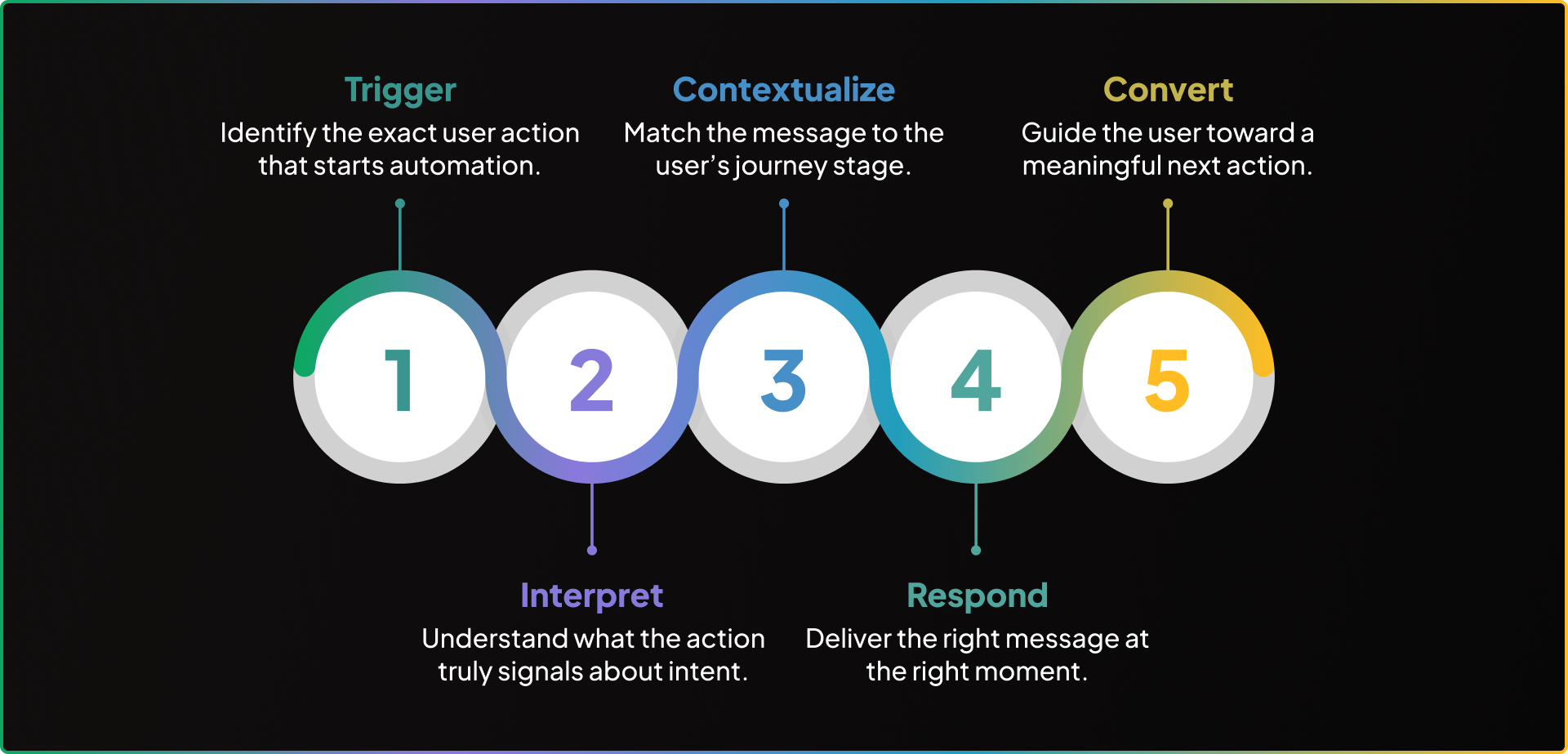
Reputation automation evolves into reputation intelligence in 2026—it's no longer about collecting stars, but interpreting trust signals at scale.
What's actually changing is how visible, trustworthy, and "safe" a brand feels in AI-generated answers.
What's Actually Changing
Reputation intelligence systems don't wait for problems to surface. They:
- Detect negative sentiment patterns before ratings drop
- Identify which phrases increase AI visibility ("responsive," "on-time," "easy to work with")
- Suggest AI-assisted responses aligned to brand voice
- Trigger automated follow-ups to happy customers at the right moment
The result?
Reviews stop being reactive. They become a living input into marketing automation, local visibility, and conversion optimization.
Why This Matters More for SMBs Than Enterprises
Here's the uncomfortable truth: In a world where consumers trust AI summaries more than websites, your reputation may speak before you do.
Small businesses don't lose deals because they're bad. They lose deals because:
- One location has outdated reviews
- Responses feel inconsistent or slow
- Negative sentiment goes unaddressed publicly
Automated reputation management closes this gap by ensuring:
- Every location stays visible
- Every review gets acknowledged
- Every trust signal compounds instead of decaying
This is automated trust-building, not brand vanity.
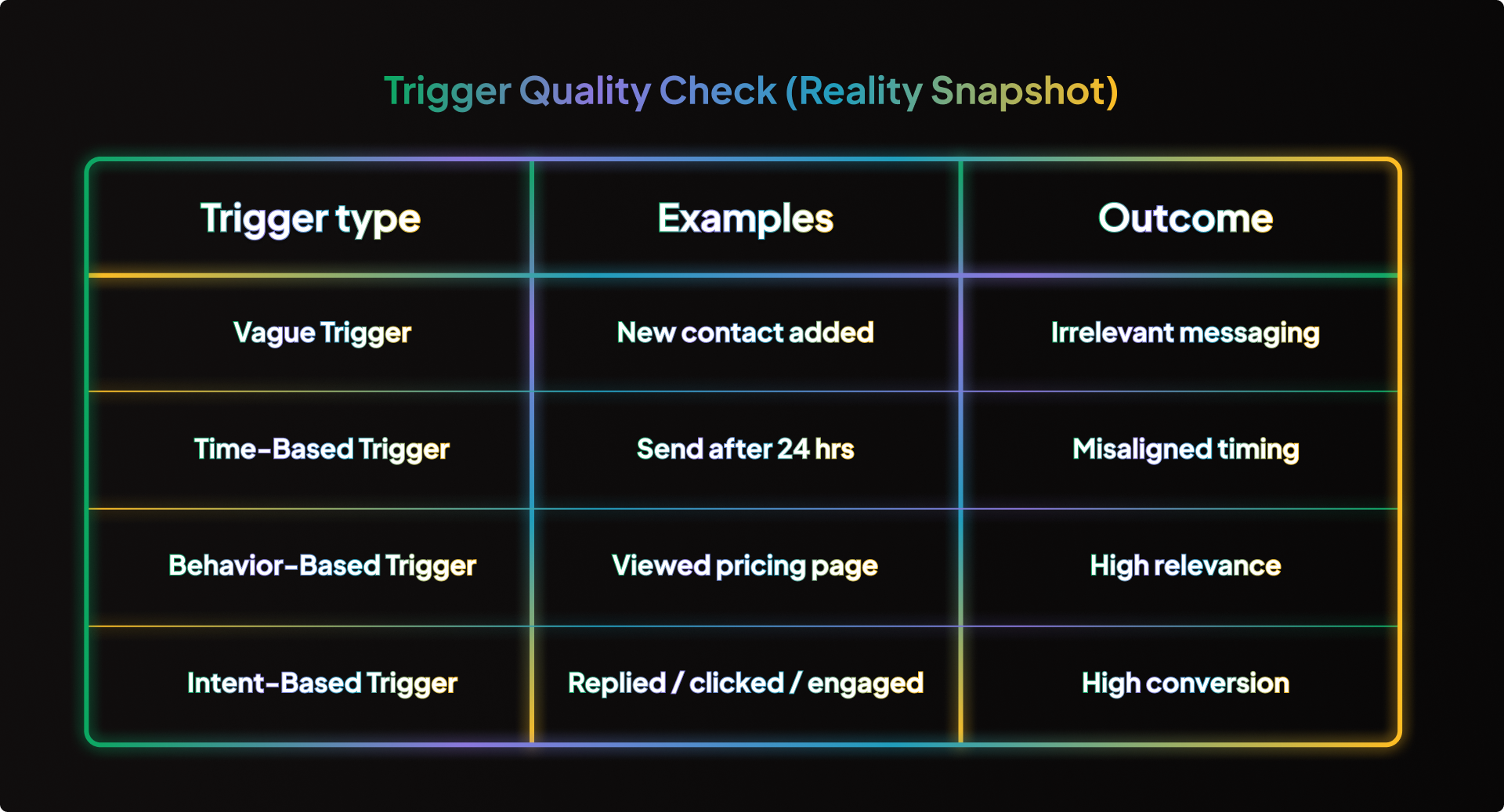
A Real-World Scenario
A multi-location service business increases review velocity across Google, Maps, and industry platforms. Ratings stabilize at 4.8–4.9 stars. Response time drops from days to minutes using AI-assisted replies.
The outcome?
- More calls
- More direction requests
- More mentions inside AI-generated local recommendations
Not because of ads. Because the system learned to signal trust continuously.
The Strategic Takeaway
In 2026, reputation isn't a marketing channel. It's a visibility multiplier. Businesses that treat reviews as data, not feedback, will show up more, convert faster, and feel safer to buy from. Because when AI decides who gets recommended, trust isn't claimed. It's calculated.
Trend #3: Predictive Analytics Becomes the Intelligence Layer
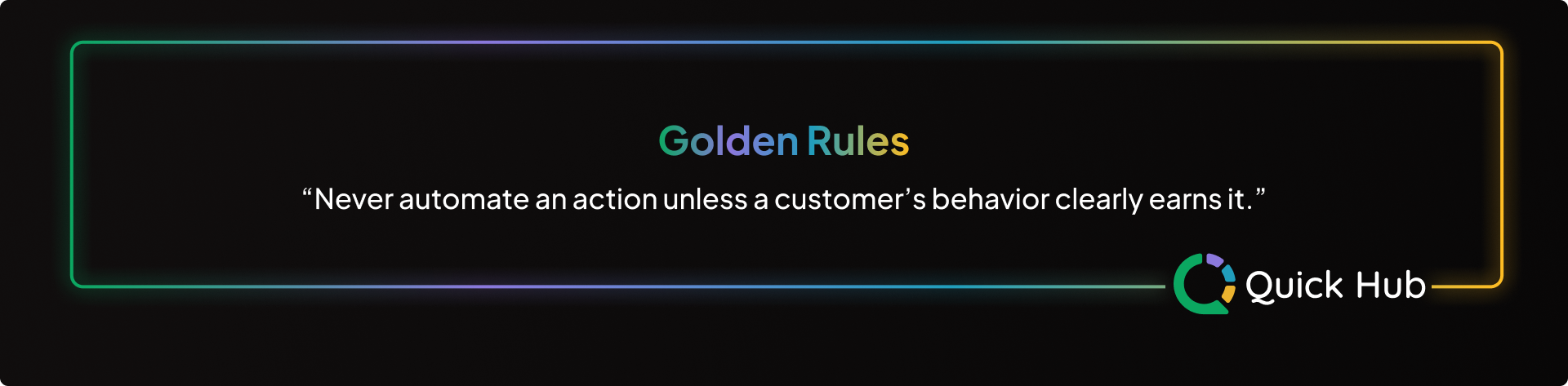
"Analytics used to tell you what happened. In 2026, it will tell you what will happen next."
For decades, small businesses treated analytics as a rear-view mirror. Reports, dashboards, spreadsheets—all focused on history. By the time insights reached decision-makers, the moment to act was gone.
In 2026, predictive analytics flips the script. Marketing automation doesn't just summarize results, it anticipates the next step, turning raw data into actionable foresight. This is no longer optional; it's the intelligence layer every small business needs to stay competitive in a world of instant attention and AI-driven discovery.
Core Insight: From Reports to Real-Time Strategy
Predictive automation transforms your CRM, campaign tools, and reputation systems into a strategic engine. Instead of asking, "What happened last month?", systems answer:
- Which leads are about to churn?
- Which segment is ready to buy next?
- Where will engagement drop if we don't intervene?
This is powered by AI analyzing patterns in behavior, sentiment, and engagement across every channel—social, WhatsApp, email, website, and ads—without any manual effort. Marketing teams stop guessing and start acting on forecasted behavior, almost like having a crystal ball built into your automation stack.
Small Business Impact
For SMBs, the advantage is immediate:
- Anticipate customer dissatisfaction before complaints escalate
- Identify high-potential buyers before competitors even notice them
- Detect emerging trends in engagement and conversions in real time
No more waiting for quarterly reports or chasing spreadsheets. Every insight is automated, actionable, and predictive.
Example in Practice
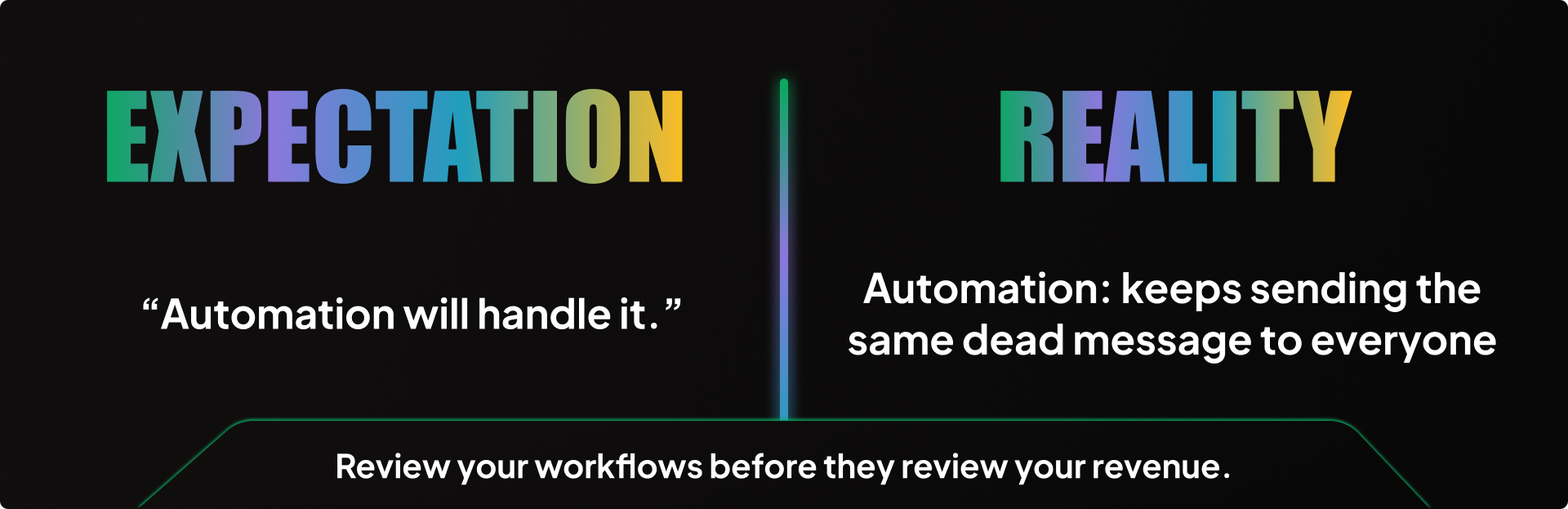
Imagine a retailer noticing that "wait time" complaints are subtly rising in certain locations. Instead of reacting after negative reviews flood in, predictive analytics alerts the team immediately. Operations adjust schedules, staff, or processes before reputation takes a hit. Similarly, predictive models might suggest targeting a specific micro-segment of customers with a limited-time offer based on their browsing and purchasing trends, delivering conversion before friction occurs.
The era of reactive marketing is over. In 2026, businesses that leverage predictive intelligence won't just understand performance, they'll stay one step ahead of it.
Trend #4: Omnichannel Automation with AI-Generated Content & Engagement
"If your brand sounds different on every channel, you're not multichannel, you're chaotic. And chaos costs."
In 2026, small businesses won't just show up on multiple channels, they'll perform consistently and intelligently across all of them. The old approach of separate tools for email, SMS, social, chat, and web interactions is dying. Enter omnichannel automation powered by AI-generated content and engagement. This is where brands scale without scaling complexity.
Core Insight: Beyond Presence, Toward Unified Performance
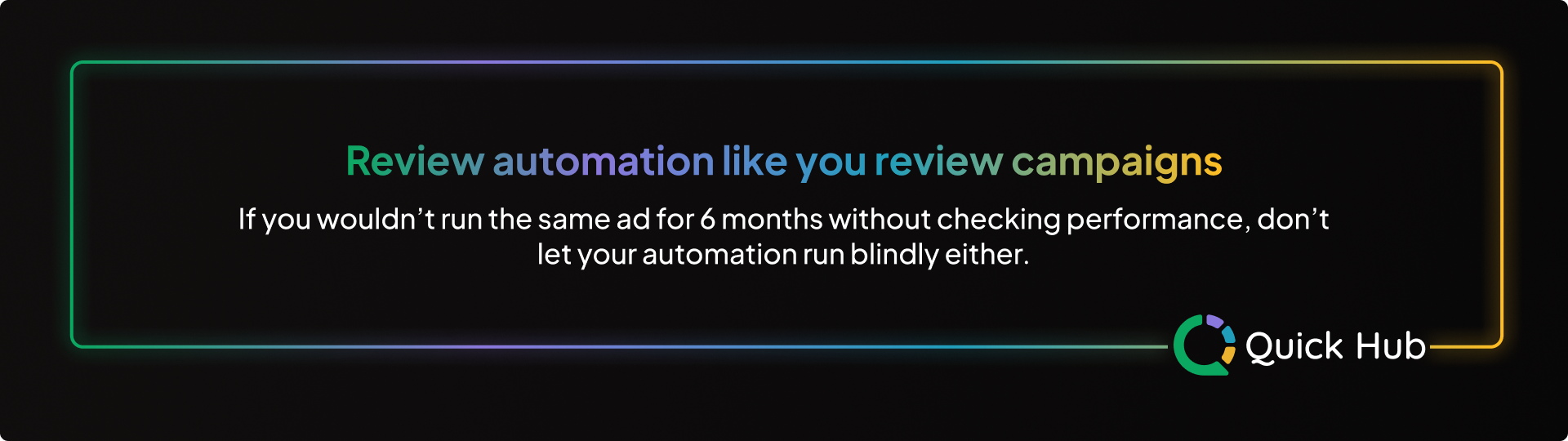
Omnichannel automation will no longer be measured by presence—it will be measured by relevance and alignment across channels. AI-driven systems will not only decide what content to share but also when, where, and how to deliver it for maximum engagement. Every email, SMS, social post, and chat reply will reflect the same brand tone, informed by customer behavior and context.
Think of it as an automated brand orchestra: every channel plays in harmony, guided by data-driven AI. Engagement agents will auto-respond to comments, messages, and AI-driven queries, crafting replies in brand voice while maintaining context. Teams are freed from repetitive tasks, focusing instead on strategy and creative direction.
Small Business Impact
For SMBs, the advantage is immediate:
- No more juggling five separate dashboards for five separate channels
- Customer interactions flow seamlessly from one platform to another
- Campaigns adapt automatically based on real-time engagement, sentiment, and AI insights
This isn't just efficiency; it's competitive parity. Small businesses can now respond at the same speed and precision as enterprise teams, even with smaller teams.
Example in Action
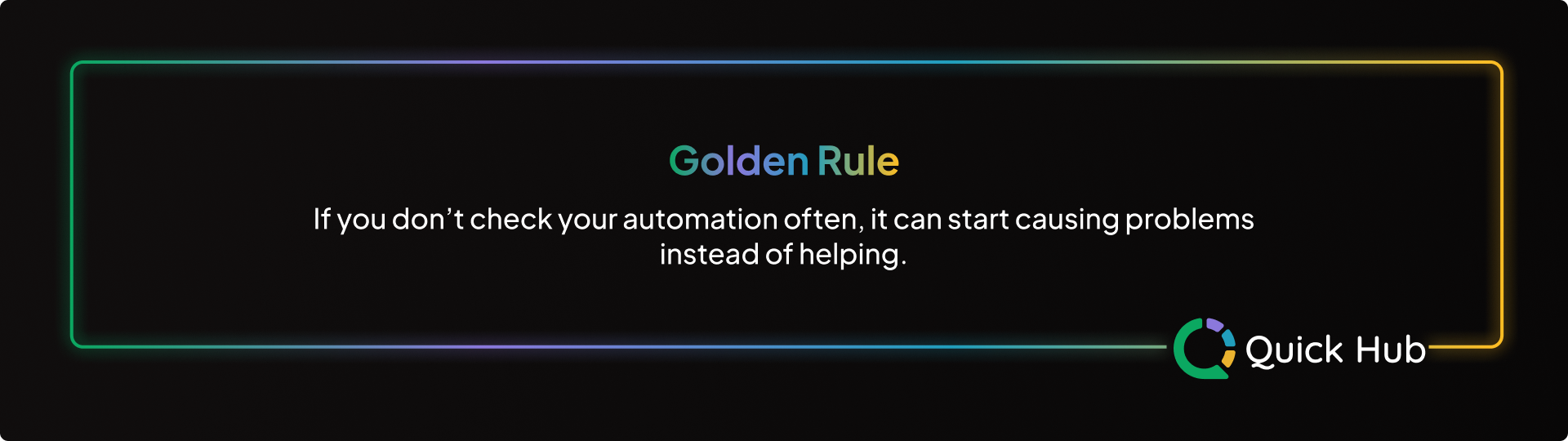
Imagine a local clothing retailer with limited staff. AI publishing agents analyze audience behavior across Instagram, WhatsApp, and email. They adjust post timing, content tone, and visuals in real time, while auto-responding to DMs and comments. A single promotion launches across all channels cohesively, with follow-ups triggered automatically based on customer reactions, without human oversight.
In 2026, the businesses that dominate won't be the ones posting everywhere—they'll be the ones posting everywhere, smartly, and consistently, creating seamless experiences that scale without extra effort.
Trend #5: Privacy-First Personalization & Trust-Driven Automation
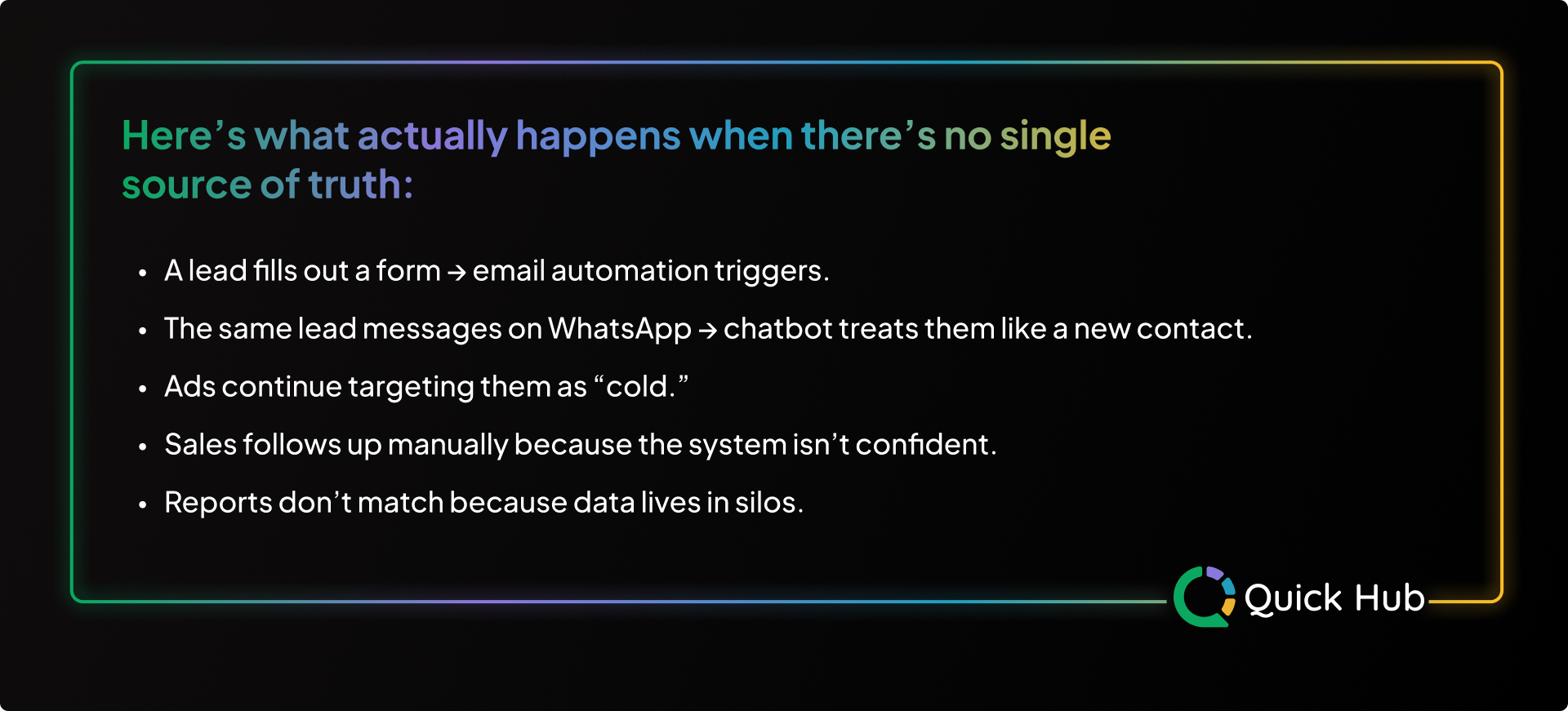
As small businesses scale marketing automation, the rules of engagement are shifting. Consumers are no longer passive recipients; they demand respect for their data. The era of invasive tracking and blind personalization is over. Instead, privacy-first personalization will define which brands earn attention, clicks, and loyalty.
Core Insight: Ethics as a Growth Lever
Marketing automation in 2026 won't just be about efficiency; it will be trust-driven. Consent-first strategies, zero-party data collection, and transparent personalization aren't just compliance checkboxes—they're competitive advantages. Brands that respect consumer boundaries will see better engagement, higher retention, and stronger brand advocacy.
The Technical Landscape
The technical landscape is evolving alongside consumer expectations:
- Automation systems will prioritize first-party and zero-party data instead of scraping third-party sources
- Personalized campaigns will be contextual, relevant, and opt-in, meaning users feel in control rather than monitored
- Data-driven AI will make ethical personalization seamless, suggesting next actions while ensuring compliance and transparency
For small businesses, this trend redefines marketing success. Automation will no longer risk alienating your audience; it will build trust with every interaction. Brands that mismanage consent or rely on outdated tracking will see declining engagement and missed opportunities, while those embracing privacy-first automation will enjoy both legal safety and competitive advantage.
Small Business Impact
- Higher engagement: Customers interact more when they know their choices and preferences are honored
- Loyalty and retention: Respecting privacy builds long-term relationships, not just short-term conversions
- Simplified compliance: Automation platforms will natively integrate consent management, reducing manual overhead
Example
Imagine a DTC brand that uses consented behavior to build segmented campaigns. Instead of bombarding users with generic offers, it targets based on preferences the customer actively shared. Open rates increase, click-throughs improve, and repeat purchases grow, all without touching third-party cookies or tracking across networks. Competitors who rely on aggressive tracking see engagement decline as privacy regulations tighten.
In 2026, personalization without trust will fail. SMBs that integrate consent-first automation into their marketing stack won't just comply—they'll gain the most meaningful engagement, conversions, and loyalty.
Trend Synthesis — How These Forces Combine to Create the 2026 Automation DNA
By 2026, marketing automation won't be a collection of isolated tools—it will be a living, interconnected system designed to drive discovery, engagement, and trust simultaneously. Think of it as the DNA of modern SMB growth.
AI-powered search and reputation intelligence ensure that your brand is found first and trusted immediately. Consumers no longer browse; they ask, and they believe AI-backed recommendations. Meanwhile, predictive analytics combined with omnichannel automation ensures every interaction is timely, relevant, and personalized, creating a seamless customer journey from awareness to purchase. Layer privacy-first personalization on top, and every touchpoint reinforces trust, turning compliance into a conversion advantage.
The result?
Automation does more than execute tasks—it anticipates behavior, learns in real-time, and adapts contextually across channels. This is not theoretical; it's actionable. Small businesses that integrate these trends will see faster responses, higher retention, and measurable ROI, while competitors relying on fragmented, reactive systems fall behind.
As one AI automation expert notes:
"In 2026, automation isn't just efficiency — it's intelligence, empathy, and foresight."
These five forces—AI search, reputation intelligence, predictive analytics, omnichannel automation, and privacy-first personalization—don't just coexist. They form the core blueprint for 2026 marketing automation, defining how SMBs will grow faster, smarter, and with more trust than ever before.
Strategic Playbook — How SMBs Can Start Adopting These Trends Today
"The best time to future-proof your marketing automation was yesterday. The second-best time is now."
2026 isn't coming—it's here. Small businesses that want to stay competitive don't have to wait for AI search or predictive analytics to become mainstream. They can start today, laying the foundation for intelligent, privacy-first automation that drives discovery, engagement, and trust.

Here's how:
-
Audit and centralize first-party data: Every insight counts. Consolidate customer interactions from email, social, chat, and CRM into a single system of record. Fragmented data = fragmented execution.
-
Build automation around predictive triggers, not calendars: Stop firing campaigns on a schedule. Let predictive analytics and behavioral signals guide your next move—when a lead shows intent, when engagement dips, or when churn risk rises.
-
Integrate reputation automation into every customer touchpoint: Reviews aren't just stars; they're AI trust signals. Automatically collect, respond, and showcase feedback at every interaction to influence discovery and conversion.
-
Deploy omnichannel content agents: AI-powered agents can craft context-aware messaging across email, SMS, social, and chat. Consistency in voice and timing builds authority without adding headcount.
-
Make privacy and consent a core marketing value: Respect first-party and zero-party data. Transparent personalization isn't just ethical—it's a competitive advantage that drives loyalty.
Conclusion — The Future of Automation Is Intelligent, Ethical & Experience-Driven
"Automation in 2026 won't just save time — it will shape how customers feel about your brand."
Pause on that for a moment.
When a customer interacts with your business today, is your automation creating a seamless, intelligent experience, or is it simply firing tasks in the background, disconnected from context and intent?
As marketing automation trends in 2026 take shape, one truth is becoming impossible to ignore: efficiency alone is no longer enough. The next generation of growth will be driven by intelligent automation that understands intent, respects privacy, and acts in real time.
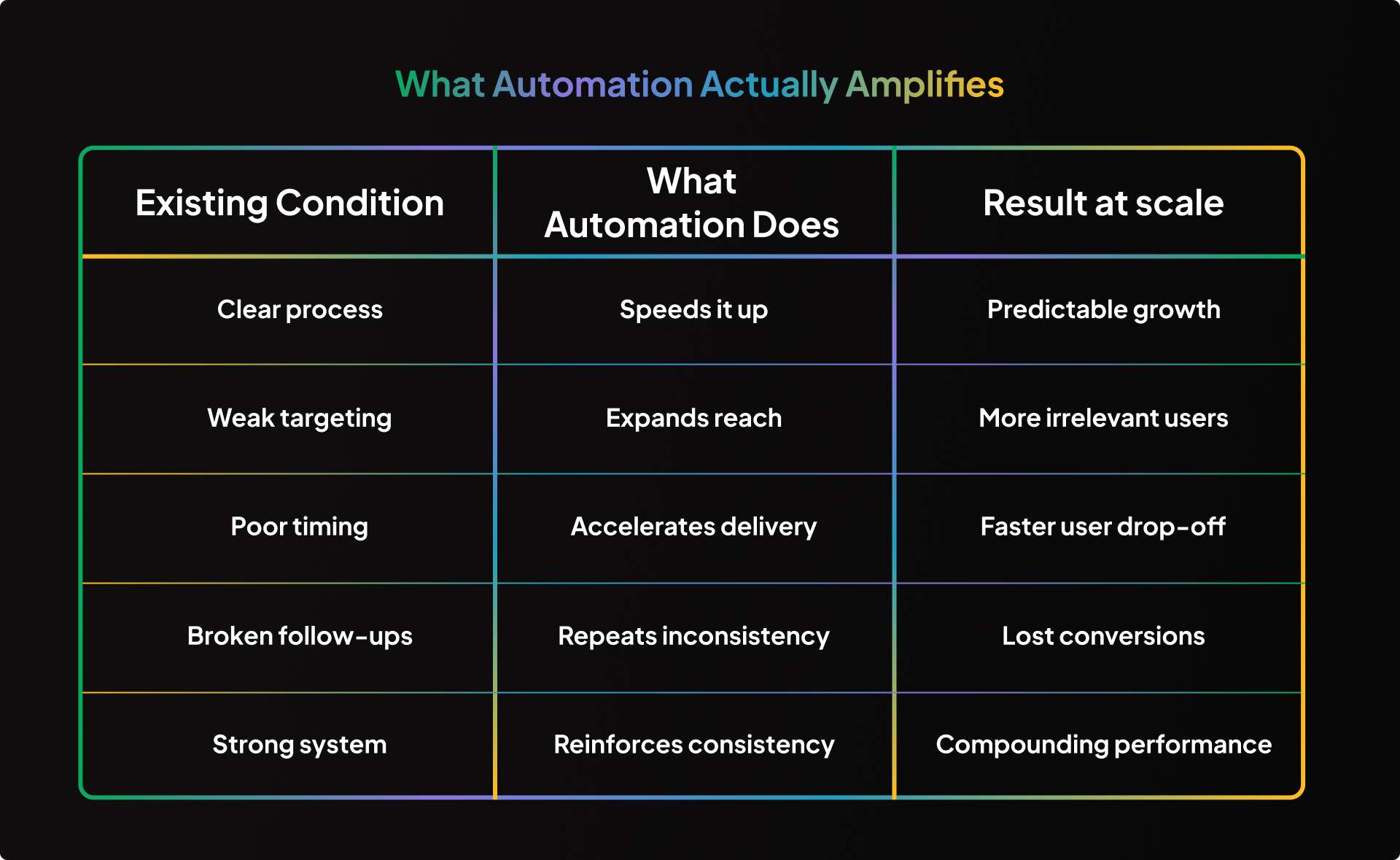
This is where the gap between leaders and laggards widens. Intent-driven engagement powered by intelligent automation will outperform fragmented, reactive stacks that rely on manual coordination. Systems that anticipate behavior, adapt across channels, and reinforce trust will scale. Everything else will stall.
This is also where platforms like QuickHub become critical in 2026—not as another tool, but as a unified execution system that brings AI search visibility, reputation intelligence, predictive insights, omnichannel engagement, and privacy-first automation into one connected flow. When discovery, conversation, follow-up, and trust signals live in the same system, automation stops being reactive and starts becoming strategic.
So ask yourself the uncomfortable questions:
- Is your automation driving outcomes, or just completing repetitive tasks?
- Are your campaigns truly context-aware, personalized, and privacy-conscious?
- Is your business powered by disconnected tools, or by one system that understands the entire customer journey?
2026 isn't just another year of software upgrades. It's a revolution in automation thinking. The businesses that win won't be the ones doing more. They'll be the ones executing smarter, faster, and with trust embedded into every interaction—using systems like QuickHub that run the business forward, instead of holding it together.