Introduction
Small business owners spend nearly a third of their week on marketing tasks like emails, social posts, and chasing leads. That is your time gone before you even focus on your core business.
It is exhausting, isn't it?
And if we are being honest, it often feels like trying to fight Thanos with no Avengers team backing you up.
The reality is, most small business owners do not struggle with creativity or ideas; they struggle with time and consistency. One day, you are on top of posts and newsletters; the next, customer calls leave you no time even to hit "publish."
That inconsistency can cost you leads, sales, and valuable customer relationships. Enter marketing automation—your very own Jarvis for business. Automation tools take over repetitive tasks like follow-ups, lead nurturing, and campaign scheduling—so you do not have to juggle it all.
Think of it like Batman has Alfred, who ensures the important things get done while Batman focuses on the bigger picture.
Before choosing a tool, it's important to understand the marketing automation definition, which highlights how businesses can simplify repetitive tasks and focus more on strategy and growth. Many small businesses search for tools like the best marketing automation platforms to solve these time-draining challenges.
In this beginner's guide, we will break down what is marketing automation, why it is a game-changer for small businesses, and simple steps you can take today to get started—no superhero cape required. Let us get started.
What Is Marketing Automation?
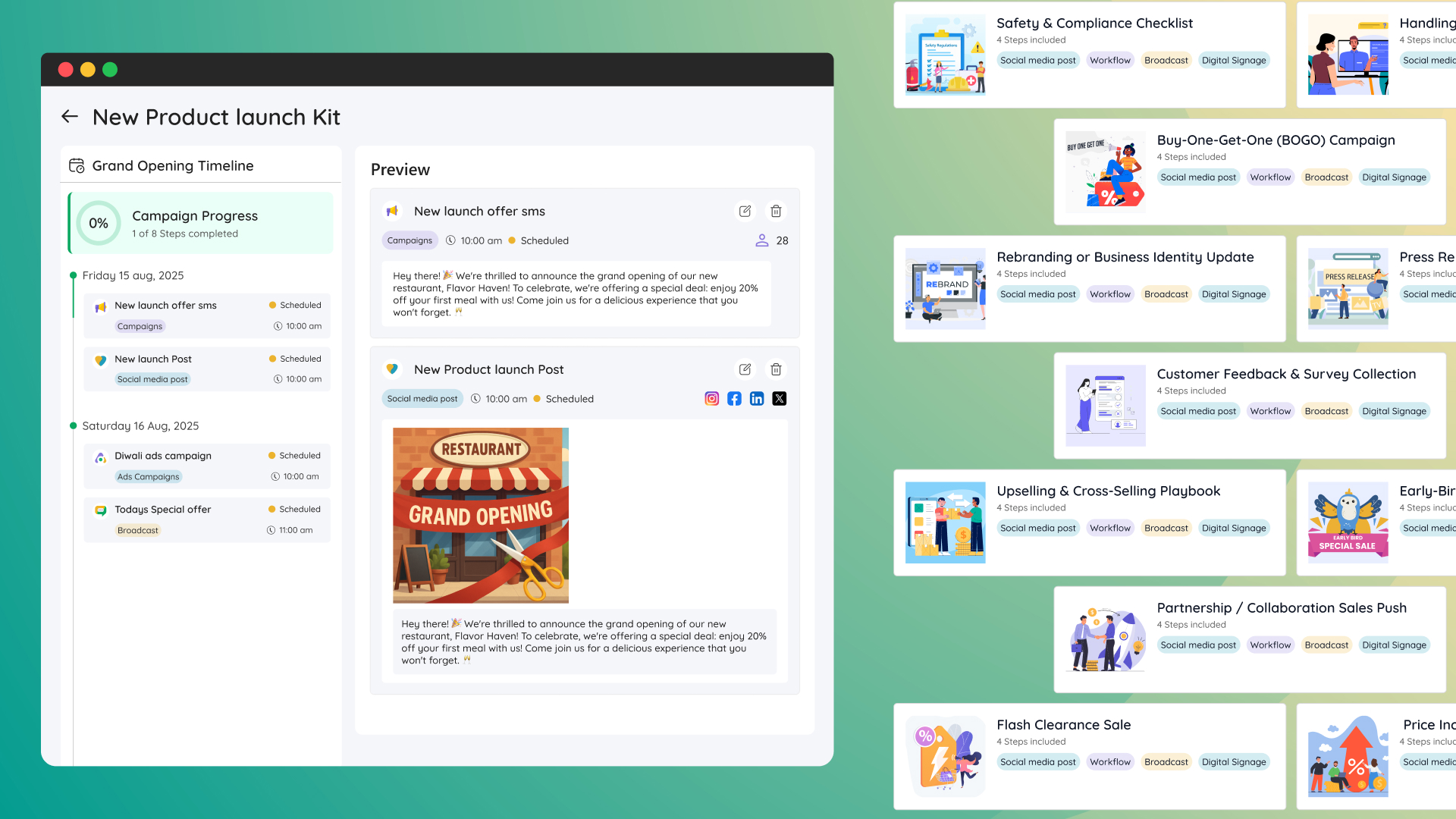
Marketing automation is the use of software and technology to streamline, manage, and measure repetitive marketing tasks such as email campaigns, social media posting, lead nurturing, and customer engagement—saving time while improving efficiency and personalization.
Marketing automation software manages emails, posts, leads, and follow-ups in the background. This allows businesses to focus on strategy, customer relationships, and growth. This is why many entrepreneurs rely on small business marketing automation tools to simplify daily operations.
For example, small businesses can automate welcome emails, cart reminders, and personalized offers based on customer behavior. Similarly, automated email campaigns ensure that every customer receives timely and relevant communication without the need for constant manual effort.
Beyond email, automation in marketing includes tasks like workflow automation, lead management automation, sales and marketing automation, lead scoring, and customer segmentation. With the right tools, businesses can create a seamless journey that nurtures prospects into loyal customers.
Today, there are many options to choose from—ranging from affordable marketing automation tools for startups to AI-driven marketing automation platforms designed for advanced personalization.
An All-in-one marketing automation solution for entrepreneurs means they can manage emails, social media, customer data, and reporting in a single dashboard. Modern systems even offer marketing automation CRM integration, giving teams a unified view of every customer.
In short, Marketing software for businesses helps save time, reduce manual errors, and improve campaign performance. Whether you are looking for the best marketing automation software for small businesses in the US or exploring top alternatives to HubSpot for marketing automation, adopting the right system ensures you can compete effectively, even with limited resources.
Why Marketing Automation Matters for Small Businesses

Small business owners are often responsible for several areas at once—sales, customer service, operations, and marketing. The challenge is that marketing does not always get the attention it deserves. Missed follow-ups, inconsistent posting, and delayed lead responses can cause lost opportunities and slow growth.
That is where marketing automation steps in. Taking over repetitive tasks makes sure nothing is overlooked. For example, if a customer submits an inquiry on your website, they can receive an instant, personalized response through workflow automation—keeping the engagement alive without adding to your workload. Tools offering automated lead nurturing helps ensure no customer inquiry slips through the cracks.
Another hurdle for small businesses is expanding outreach without adding more staff. Manually managing hundreds of customer interactions is not realistic. With email automation and automated email campaigns, small businesses can send personalized communication to every customer segment—whether it is welcoming new subscribers or re-engaging inactive ones. Many teams now rely on multi-channel marketing automation to manage email, SMS, and social messaging from one dashboard.
The budget is another challenge. Many small business owners think that advanced marketing tools are too expensive, but affordable options like QuickHub make it easy to compete with bigger players at a fraction of the cost.
Ultimately, automation in marketing allows small businesses to overcome time limitations, resource shortages, and inconsistent customer engagement. It levels the playing field—helping owners work smarter, strengthen relationships, and focus on long-term growth instead of being stuck in daily busywork.
Key Benefits of Marketing Automation
For small businesses, using marketing automation is not just convenient—it's essential for survival and growth. Here are the most impactful benefits that directly solve everyday challenges:
1. Saves Valuable Time
Manually sending emails, scheduling posts, and tracking leads eats up hours every week. With automated marketing, these tasks run in the background, freeing owners to focus on sales, strategy, and customer service. This efficiency is why many choose AI marketing automation tools to automate repeated workflows.
2. Improves Customer Consistency
Inconsistent communication is one of the biggest reasons customers lose interest. Automated email campaigns and reminders ensure customers hear from you regularly, building trust and keeping your brand top-of-mind.
3. Personalized Communication at Scale
Customers expect businesses to "know" them. Using AI marketing automation, you can segment audiences and deliver personalized offers based on behavior—something that would be impossible to manage manually. Platforms today use behavior-based automation to tailor messages instantly.
4. Better Lead Nurturing and Conversions
Many small businesses lose leads simply because they forget to follow up. With sales and marketing automation, prospects receive timely messages at every stage of the buyer's journey, increasing the chances of conversion.
5. Smarter Decision-Making with Data
Guesswork in marketing often wastes money. AI-powered marketing automation platforms provide reports and insights that help identify what is working, so owners can make data-driven decisions instead of relying on trial and error.
6. Cost-Effective Growth
Hiring a big marketing team is not realistic for most small businesses. Instead, affordable marketing automation tools for startups allow them to scale their marketing reach and compete with bigger brands—without breaking the budget. Many startups now choose all-in-one automation platforms to reduce software costs.
Common Marketing Automation Features
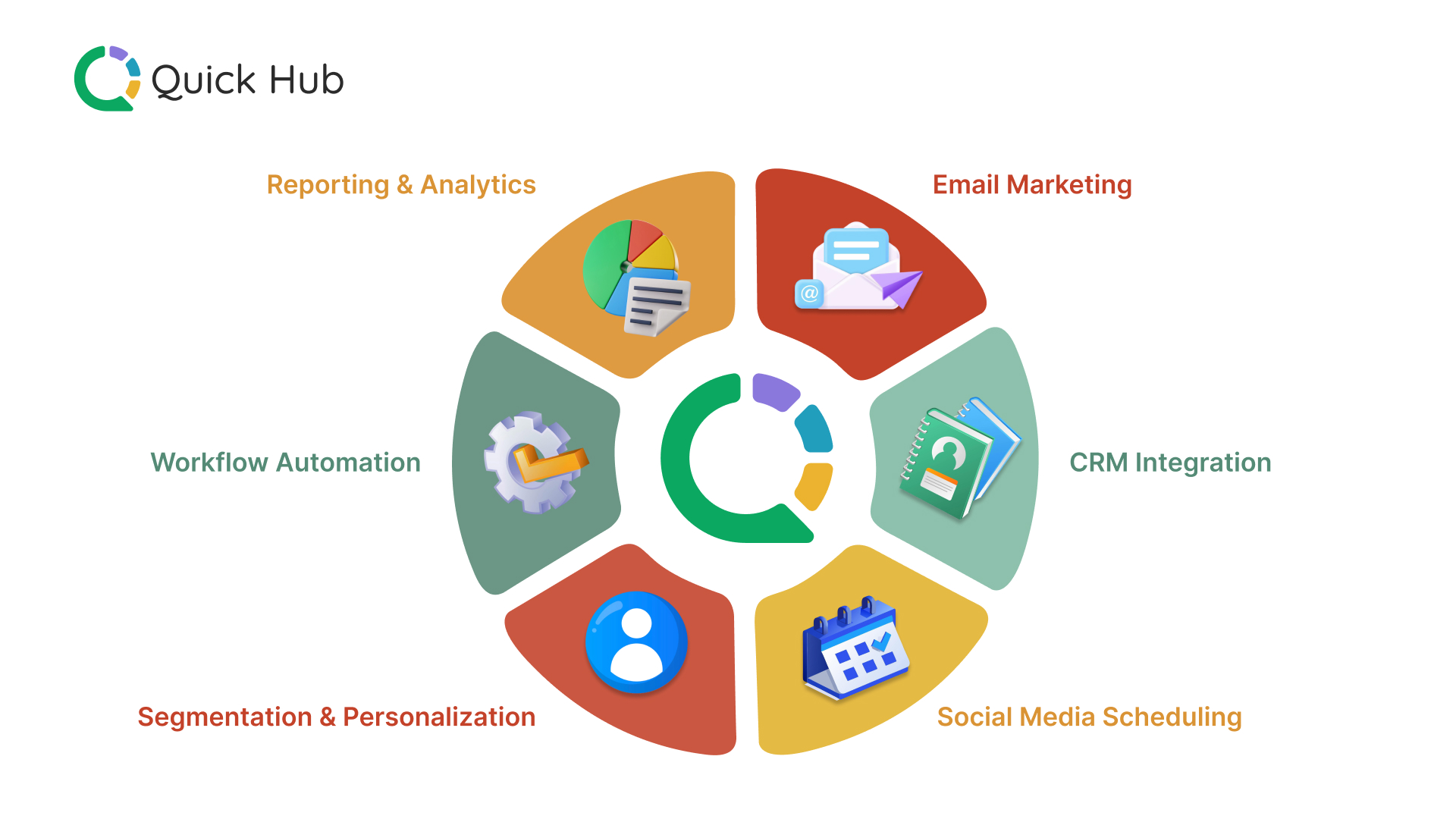
When exploring the best marketing automation software for small businesses in the US, it's important to know what features actually matter.
Tools like QuickHub bring these features together in one platform, making it easier for startups and entrepreneurs to manage everything from emails to analytics without switching between apps.
Here are the most valuable features:
1. Email Automation
With QuickHub marketing automation features, small businesses can set up automated email campaigns such as welcome messages, abandoned cart reminders, or seasonal promotions—keeping customer engagement consistent and effortless. Many entrepreneurs specifically look for email marketing automation software to simplify outreach.
2. CRM Integration
Powerful marketing software unites sales and marketing. With QuickHub's built-in CRM, you can track customer interactions, manage sales pipelines, and keep all communication history in one place.
3. Social Media Scheduling
Posting regularly on multiple platforms is challenging. QuickHub includes small business marketing tools for scheduling posts, ensuring your brand maintains an active online presence without daily manual effort.
4. Segmentation and Personalization
Generic emails rarely work. With AI marketing automation built into QuickHub, businesses can segment customers by behavior or preferences and deliver personalized offers that improve conversions.
5. Workflow Automation
Manual follow-ups often slip through the cracks. QuickHub simplifies this with workflow automation for marketing campaigns—automatically triggering actions like follow-ups, reminders, or assigning tasks to team members. Robust systems also offer sales pipeline automation to support small business growth.
6. Reporting and Analytics
QuickHub's dashboards make it easy to track performance across campaigns. Similar to the best automation tools for digital marketing agencies, it offers insights that help businesses refine their marketing strategies.
By combining all these into one solution, QuickHub provides all-in-one marketing automation for entrepreneurs—helping them save time, improve efficiency, and grow smarter.
Choosing the Right Marketing Automation Tool
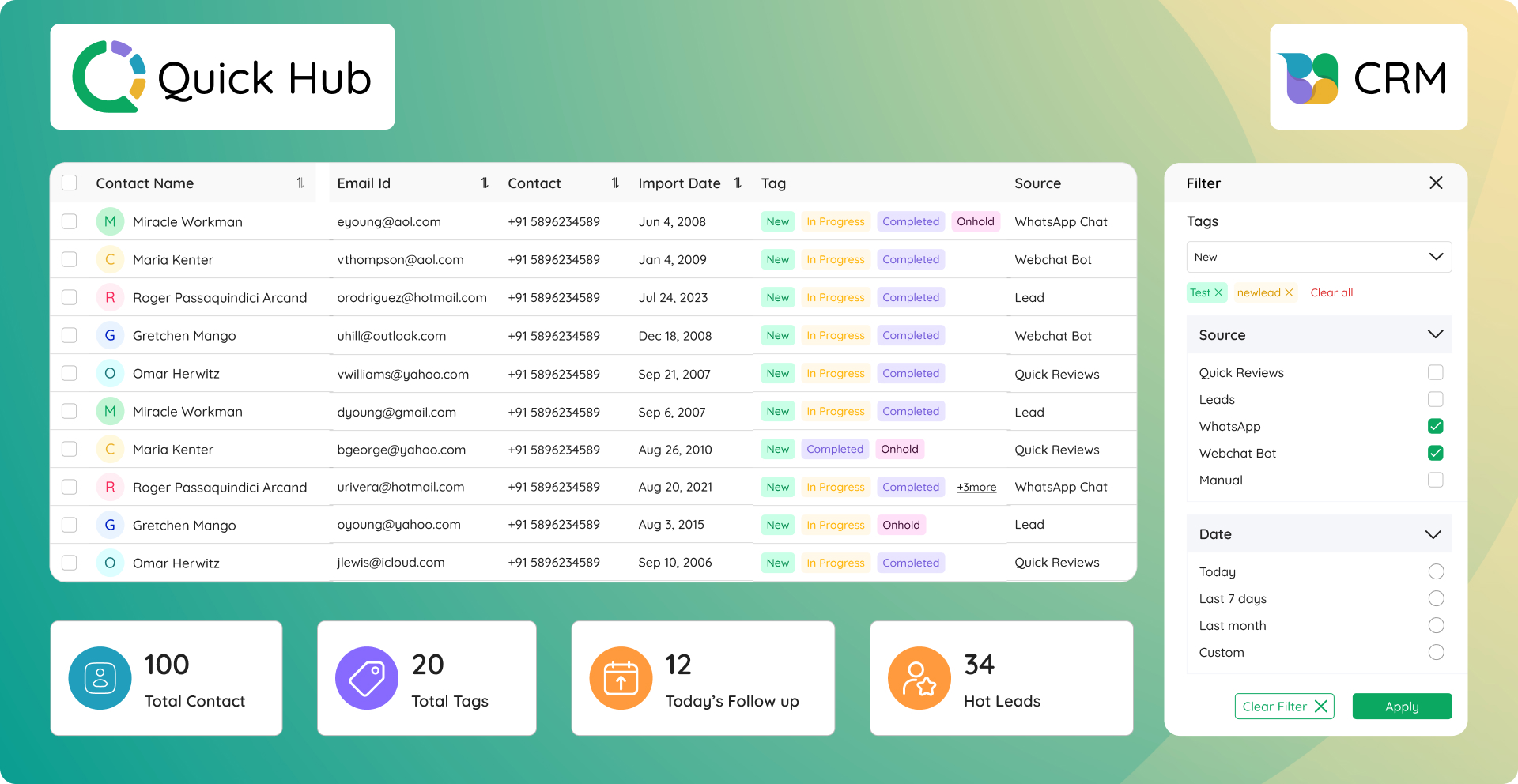
With countless options out there, choosing the best marketing automation platform for small businesses in the US can feel daunting. The ideal tool should align with your goals, fit your budget, and match your technical comfort level.
Here are the key things to look for:
1. Ease of Use
Small business owners don't have time to navigate overly complex systems. Look for marketing software for businesses that offers an intuitive interface, drag-and-drop builders, and ready-to-use templates.
2. Features That Match Your Needs
Not every tool offers the same functionality. Some focus only on email automation, while others provide all-in-one marketing automation for entrepreneurs, covering CRM, social media, and analytics. But QuickHub has it all under one roof.
3. Pricing and Scalability
Budgets are tight for startups. That's why many owners opt for affordable marketing automation tools for startups that allow them to scale as they grow. As your business expands, ensure the tool supports marketing workflow scalability.
4. AI and Personalization Capabilities
Modern customers expect tailored experiences. Consider AI-powered marketing automation platforms that can segment audiences and deliver personalized messages automatically.
5. Integration with Existing Tools
Your automation platform should connect seamlessly with your website, CRM, e-commerce platform, or payment systems.
QuickHub as a Solution
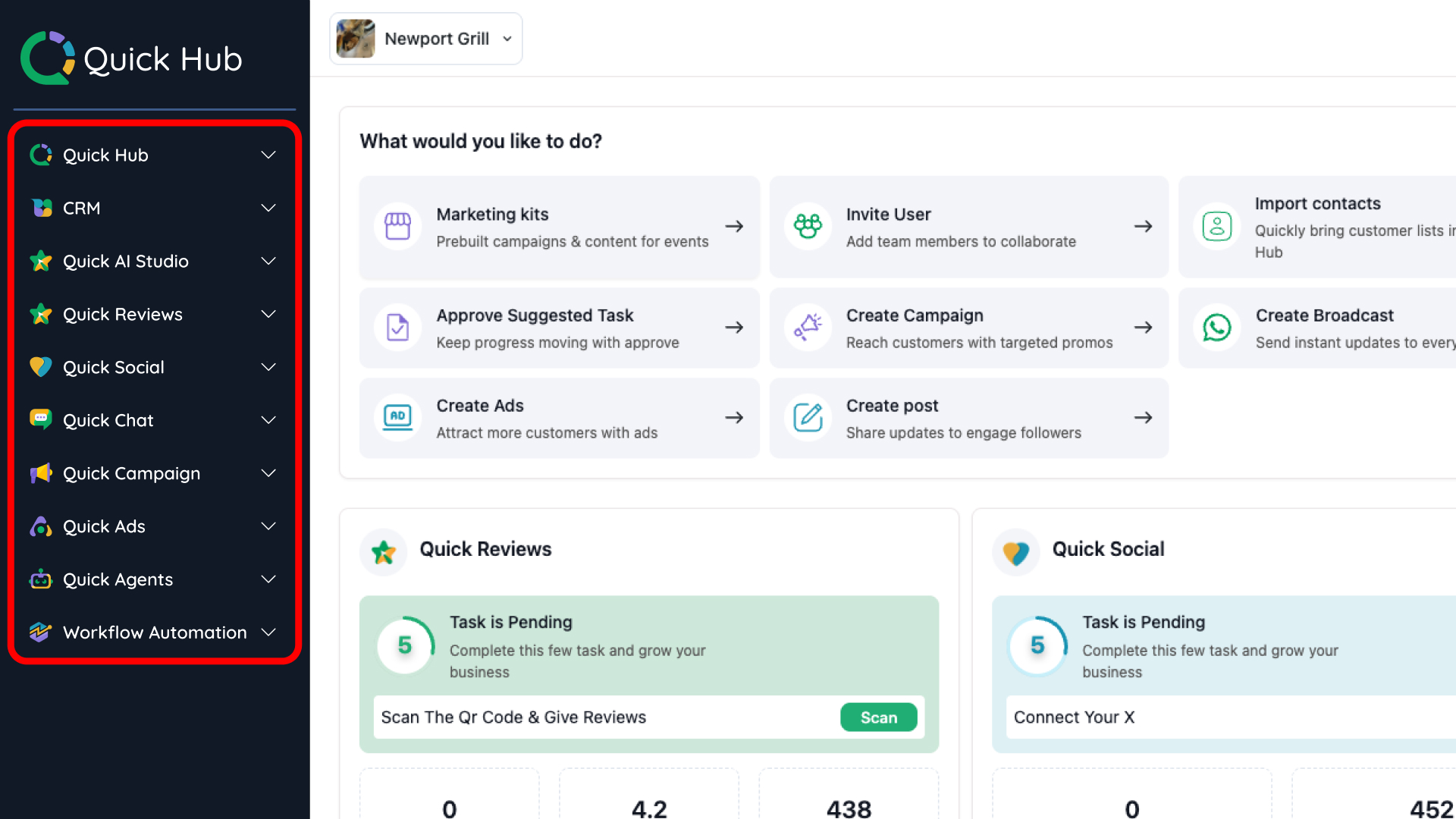
If you're looking for simplicity and power in one, QuickHub marketing automation features combine email, CRM, workflow automation, and analytics into a single dashboard. It's designed specifically for small businesses and entrepreneurs who need efficiency without complexity. QuickHub is becoming popular among teams searching for cost-effective marketing automation solutions.
By evaluating these factors, you'll be able to choose between well-known options like HubSpot, Mailchimp, or the top alternatives to HubSpot for marketing automation—and see how QuickHub offers the right balance for your business.
Conclusion
For small business owners, time and consistency are often the biggest obstacles to growth. Tasks like sending follow-up emails, managing social media, and tracking leads can easily consume hours each week—hours that could be spent serving customers or building new strategies.
This is exactly why marketing automation has become a must-have, not a nice-to-have.
By embracing automated marketing, you gain the ability to engage customers at the right time, nurture leads more effectively, and grow your business without overwhelming your schedule.
Whether it's automated email campaigns, workflow automation for marketing campaigns, or leveraging AI-powered marketing automation platforms, the right tool can transform the way you work.
Remember the analogy from the beginning: running a business without automation is like Tony Stark trying to fight battles without the Iron Man suit. He had the brains and determination, but it was the technology that allowed him to compete at a higher level. Similarly, with tools like QuickHub marketing automation features, small businesses can level the playing field, combining efficiency with impact. With modern marketing automation tools for small businesses, even solo entrepreneurs can scale like larger teams.
Begin with the most pressing challenges, tackle them first, and expand step by step. With the right small business marketing tools, you don't just save time—you build stronger relationships, improve sales, and set the foundation for long-term growth.
So suit up—your business deserves its own Iron Man moment.